


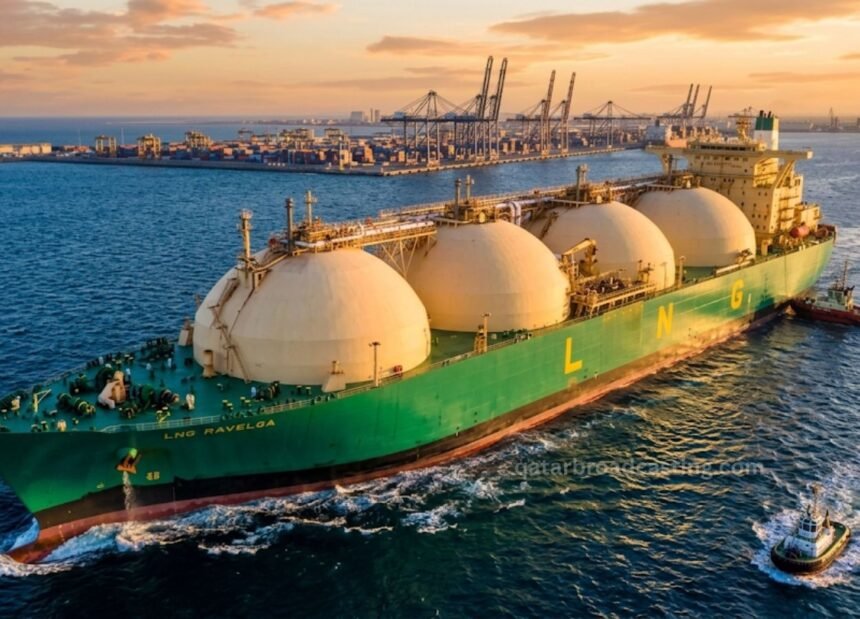
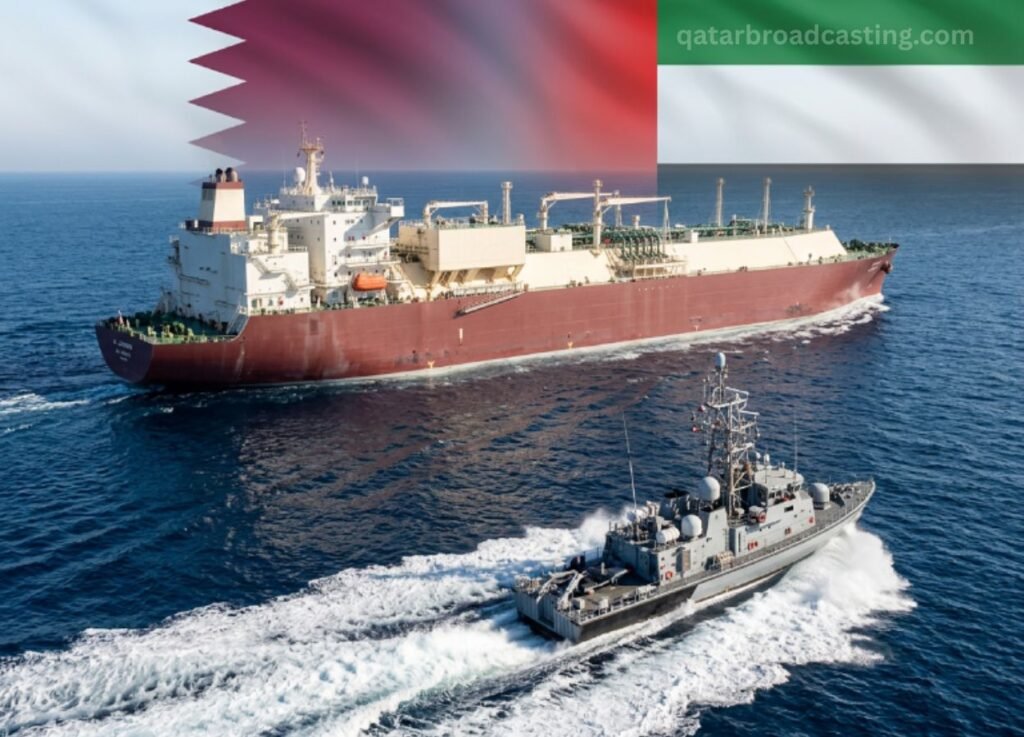
Qatar and the United Arab Emirates have executed three unconventional ship-to-ship LNG transfers outside the Strait of Hormuz in the past month, an exceptional workaround which indicates the gravity with which the crisis on the waterway has disrupted gas exports even as crude oil flows begin to recover.
Vessel-data compiled by Reuters citing figures from Vortexa and Kpler shows the transfers have occurred through August as producers look to alternative means to transport the liquefied natural gas without navigating tankers through the contested strait. Unlike oil, LNG is exceptionally difficult to move, reload and transfer through ship-to-ship methods, a process which has been taken to only under persistent pressures.
Among the vessels involved was the Greek-owned carrier GasLog Shanghai, which had been caught up in a security incident in the strait in late July. It offloaded its cargo onto sister vessel GasLog Savannah off the coast of Oman in late August. Separately, Qatar-owned Al Rekayyat — struck by a projectile near Hormuz in early July — transferred its cargo to another Qatari tanker, Tembek, in mid-August; that cargo reached India by August 31. A third transfer saw ADNOC’s Mraweh carrier hand off its load to the LNG Enugu outside the strait, with the cargo now headed to Japan.
Despite the workaround, LNG traffic through Hormuz itself remains largely frozen, even as oil shipments have shown gradual improvement in recent weeks. Qatar, one of the world’s largest LNG exporters, has kept an extended force majeure in place on deliveries from the region, citing the ongoing disruption.
The squeeze has rippled through global energy markets: spot LNG prices in Asia have climbed to a five-month high, while European benchmark natural gas prices have hit their highest level in three-and-a-half years. Analysts say the combination of Qatar’s prolonged supply constraints and renewed US-Iran tensions is driving the price surge, with little indication that normal shipping patterns through the strait will resume soon.


