


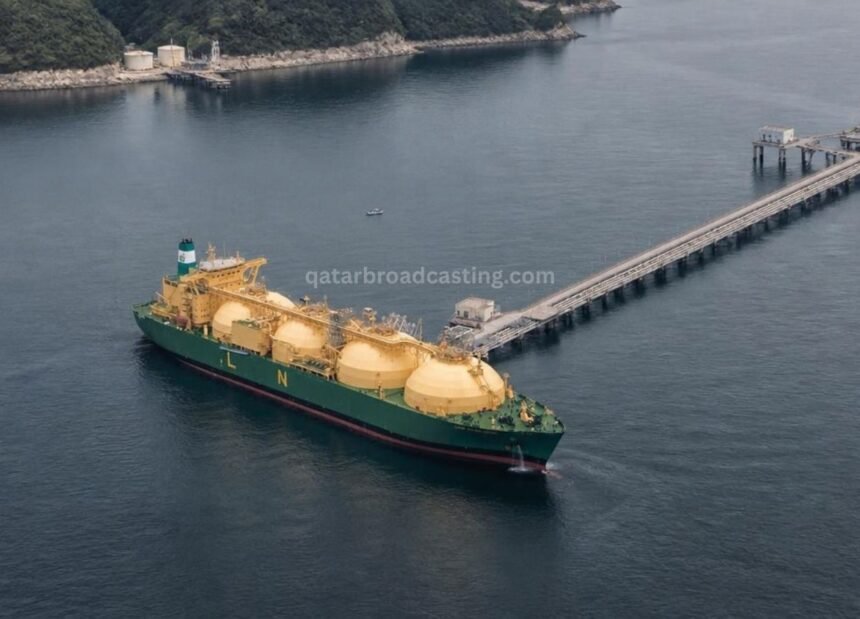
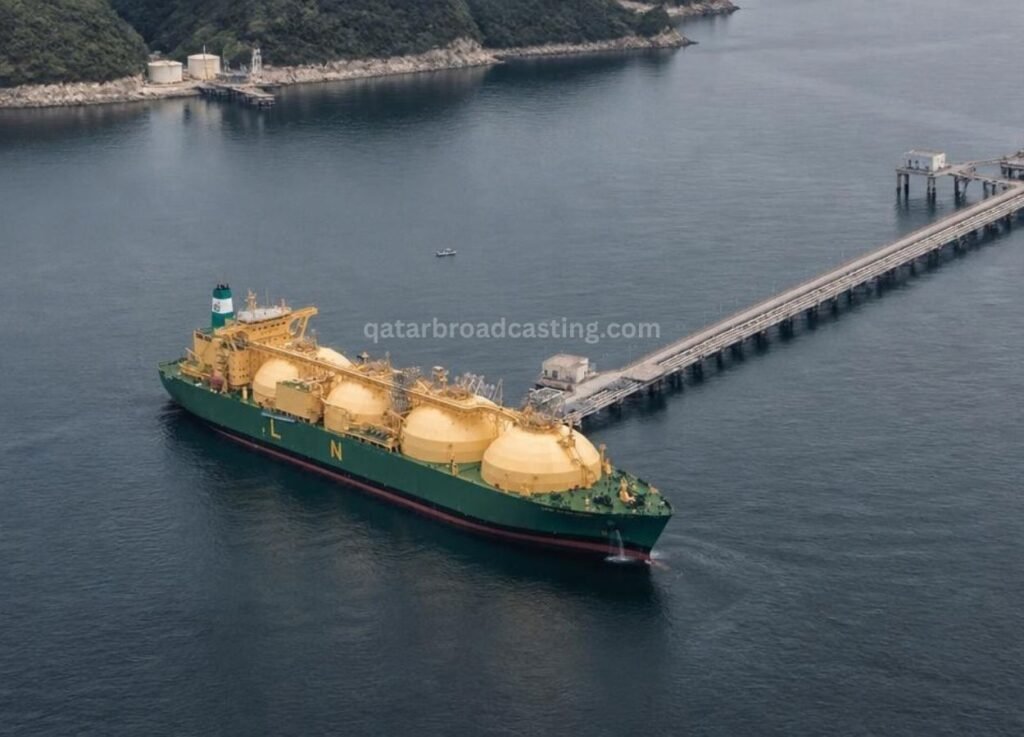
Soaring global liquefied natural gas (LNG) prices—triggered by the prolonged conflict in the Middle East and maritime transit bottlenecks through the Strait of Hormuz—are forcing price-sensitive developing nations across Asia to scale back gas imports and pivot back toward cheaper, traditional energy sources. Surging LNG Costs
Emerging Asian economies, particularly Pakistan, Bangladesh, Thailand, and India, had previously positioned natural gas as a critical “bridge fuel” to transition away from high-carbon coal and heavy fuel oil. However, with spot LNG prices spiking past historic thresholds following force majeure declarations at major Gulf export hubs, public utilities across South and Southeast Asia are finding themselves priced out of international spot markets.
State energy companies in Bangladesh and Pakistan have repeatedly canceled spot cargo tenders in recent weeks due to exorbitant premiums, leaving domestic power grids struggling with generation shortfalls and forced industrial load-shedding. Energy ministry officials across the region warn that unbudgeted fuel import bills are depleting foreign exchange reserves and threatening macroeconomic stability.
To avert severe electricity shortages and cushion state budgets, several governments are extending the operational lifespan of coal-fired power plants, boosting domestic coal extraction, and increasing fuel-oil utilization. Energy analysts note that while the shift helps stave off immediate power outages, the elevated price environment threatens to derail long-term decarbonization targets across Asia’s high-growth emerging markets. Qatar Broad Casting